Results

Hair Transplant Before and After Photos from Boise Patients

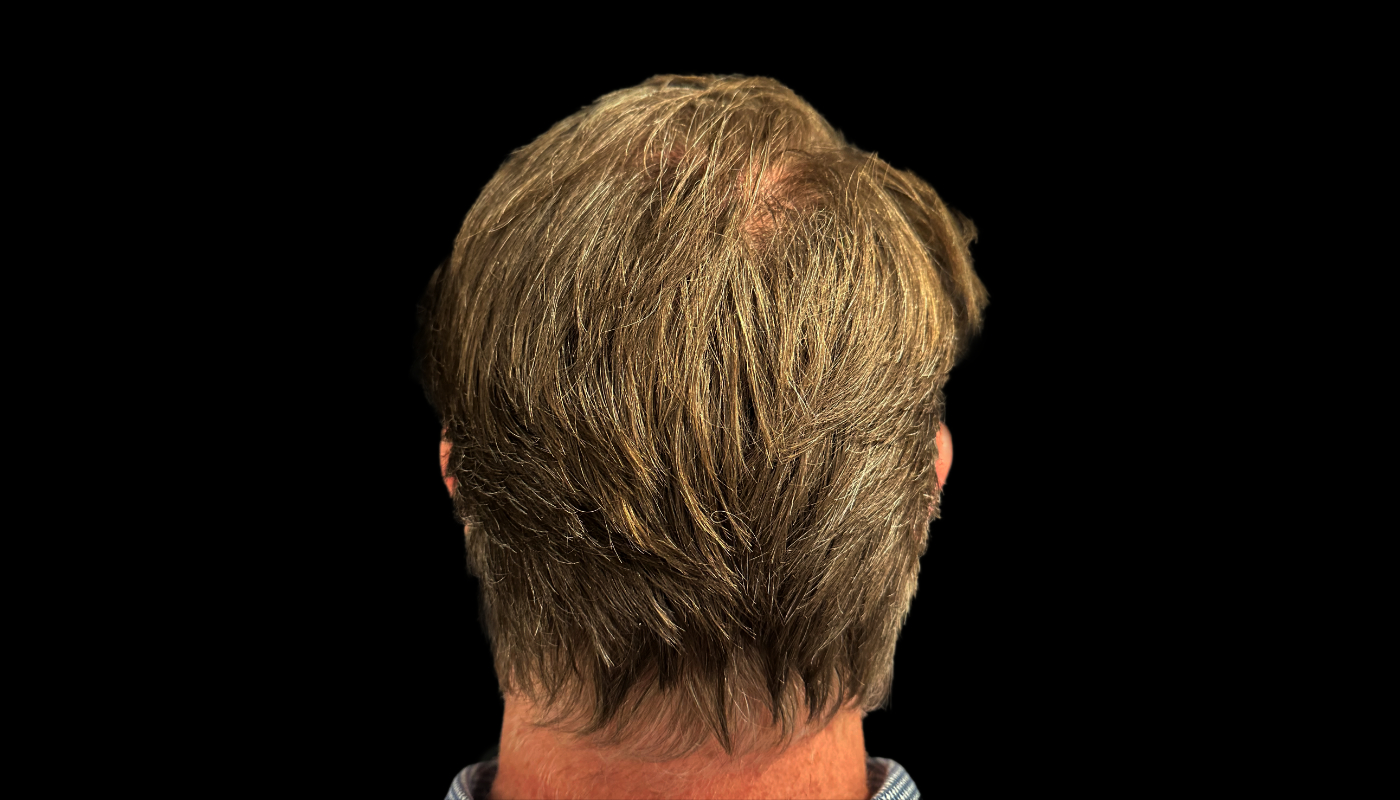
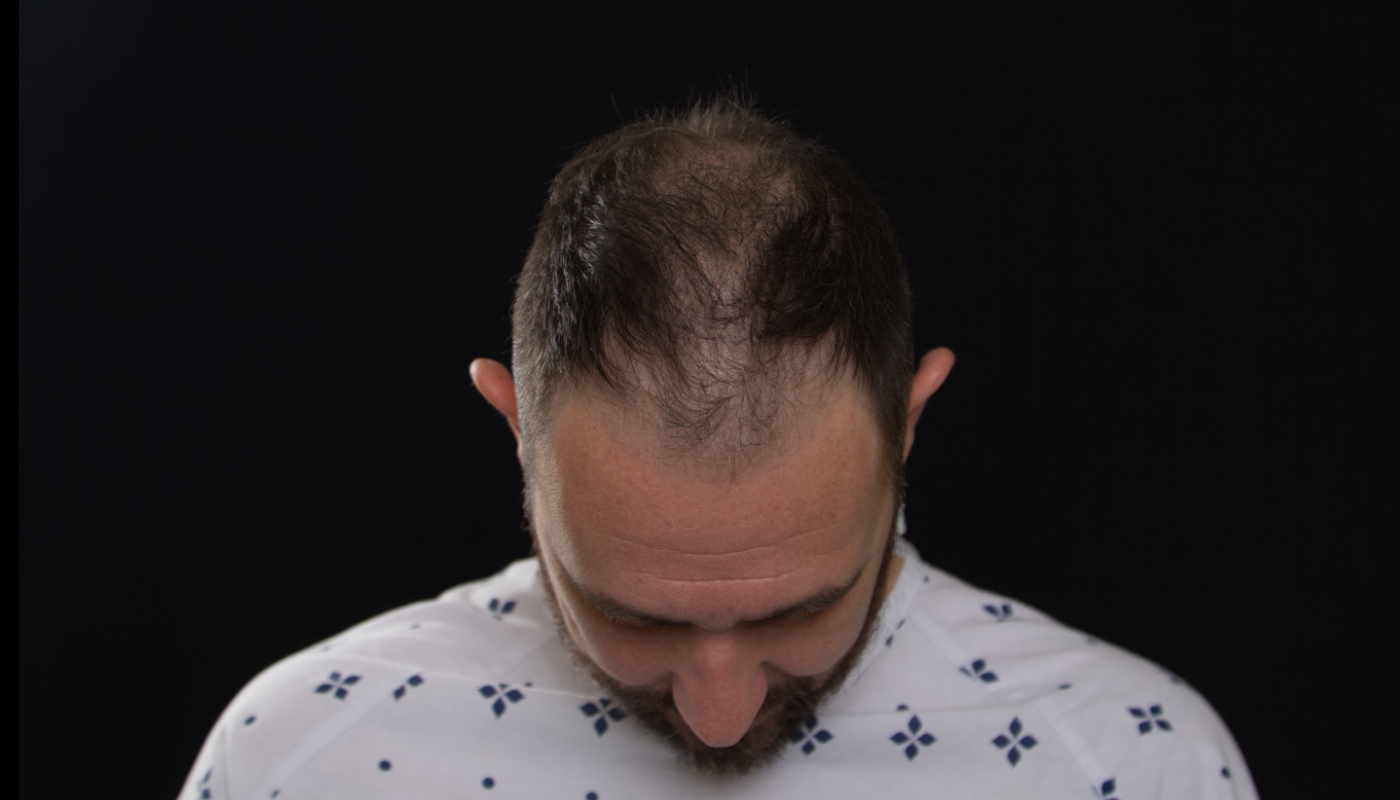
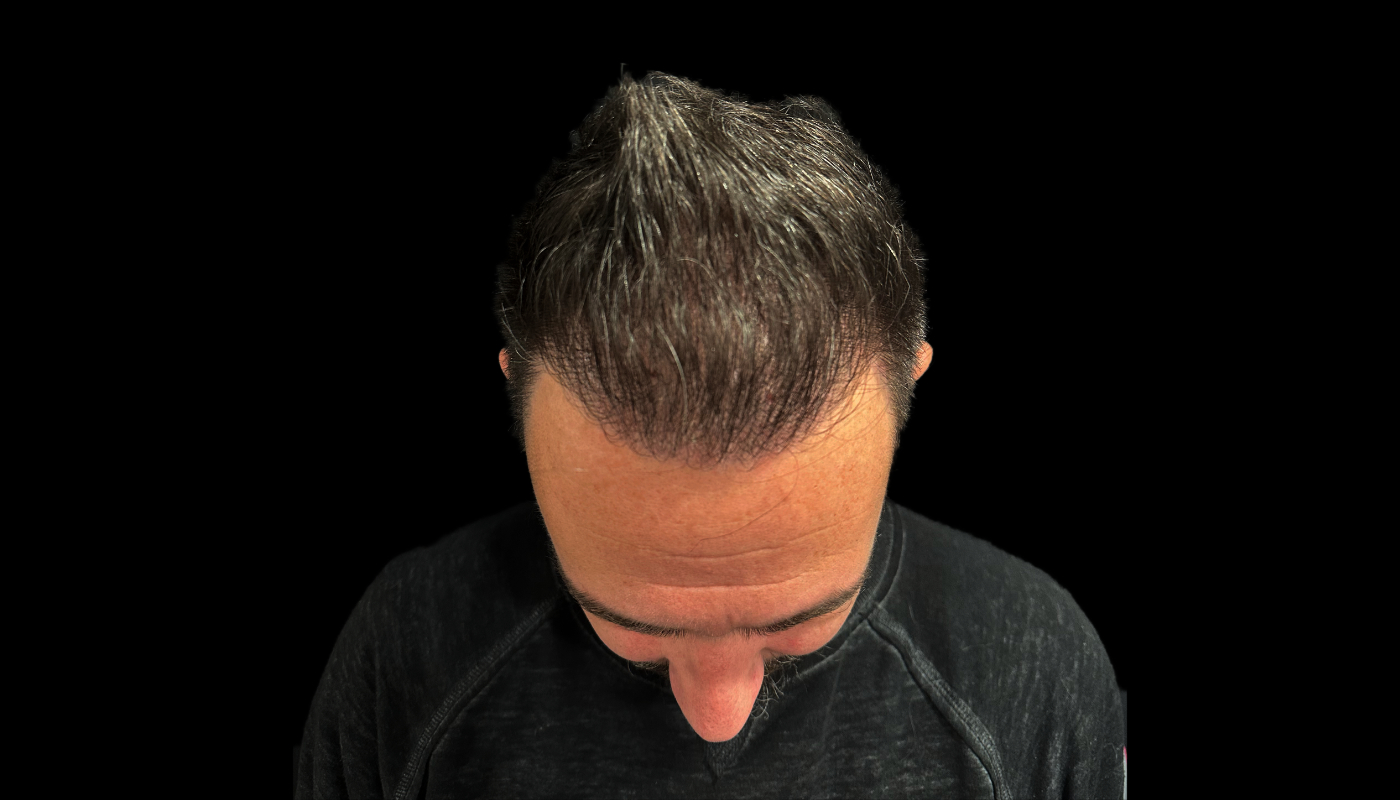
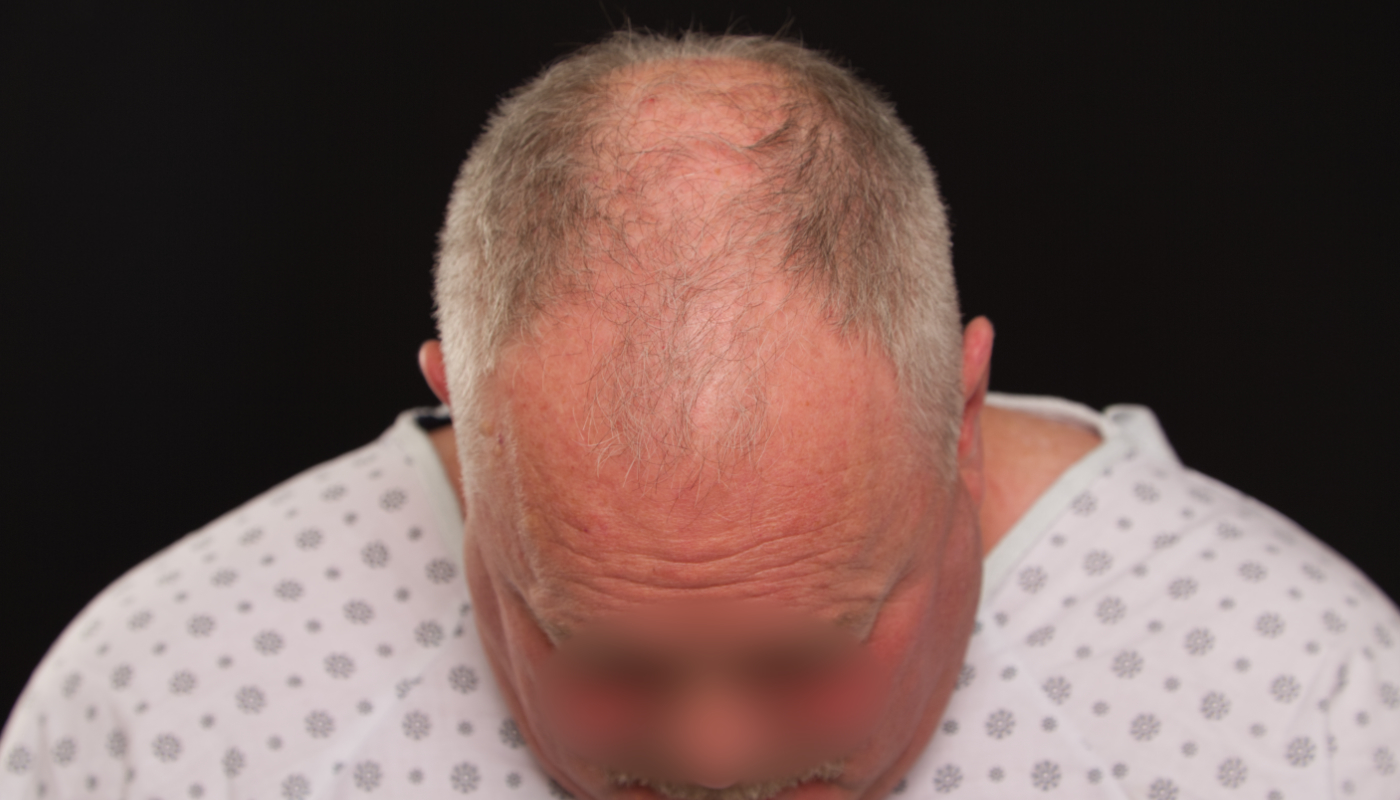
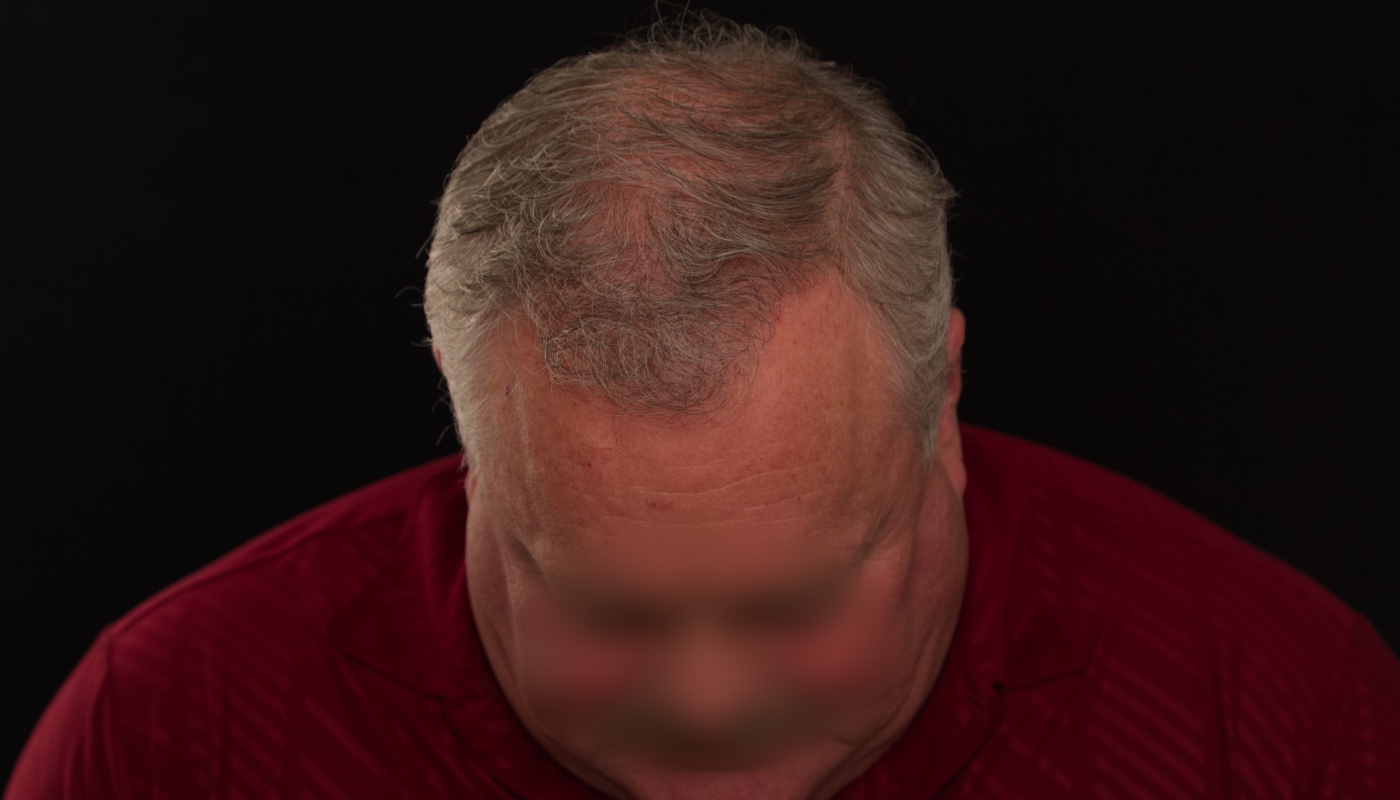
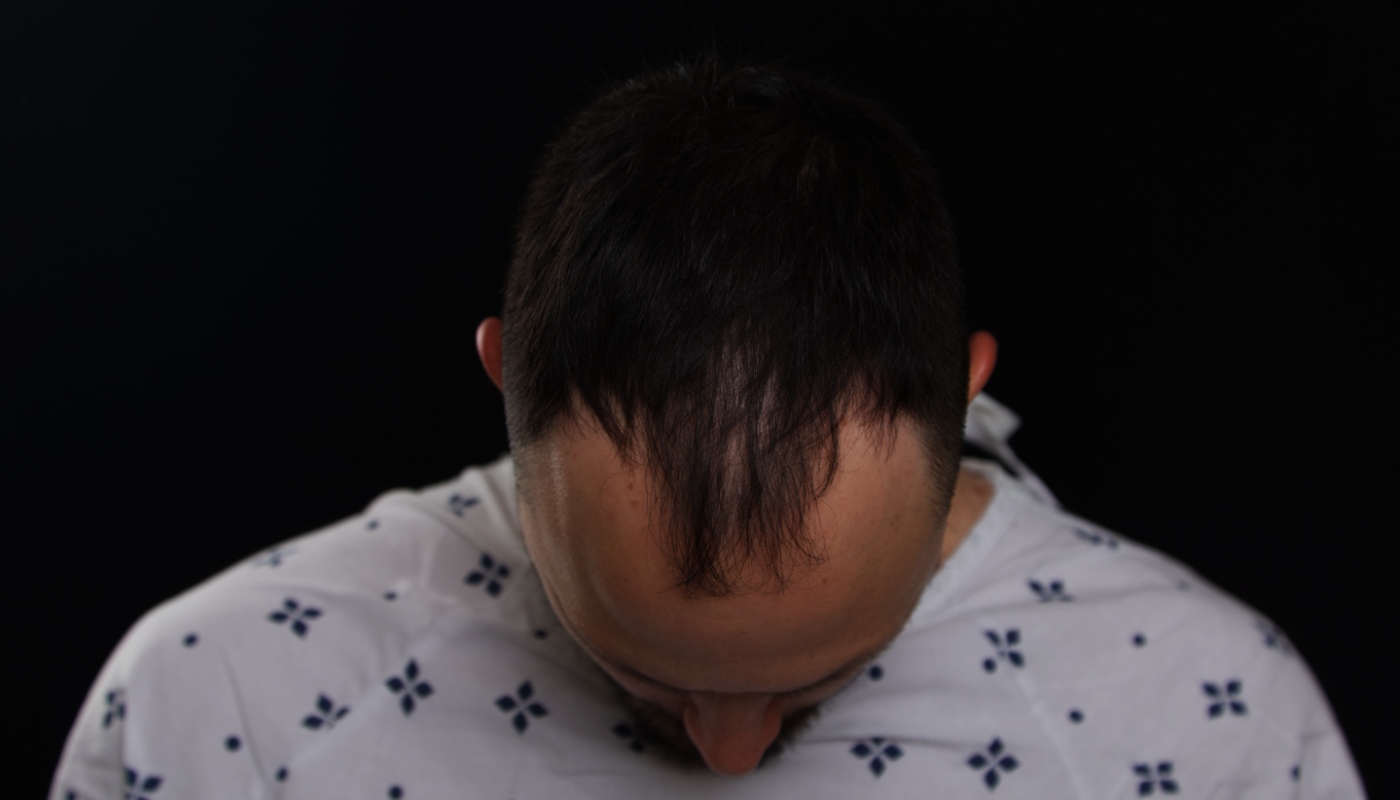
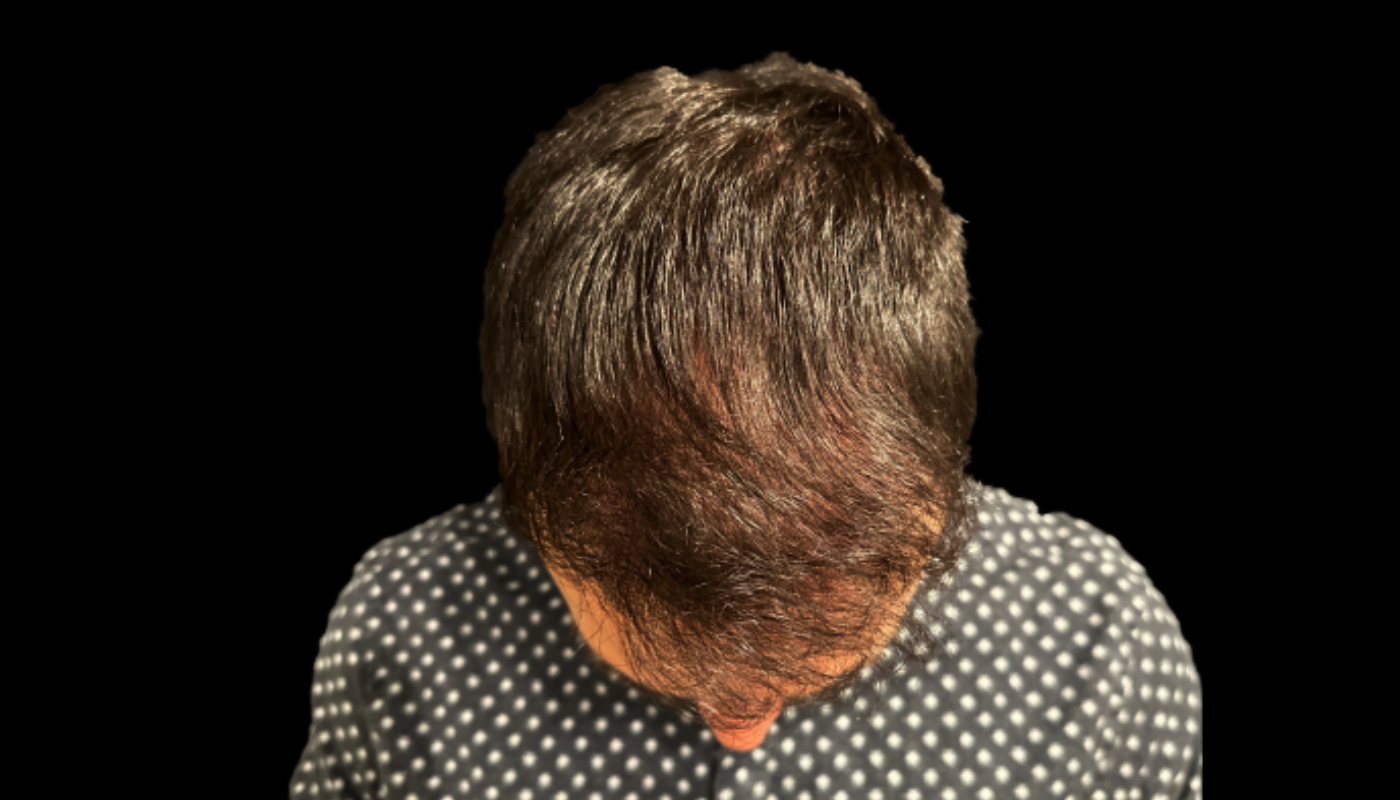
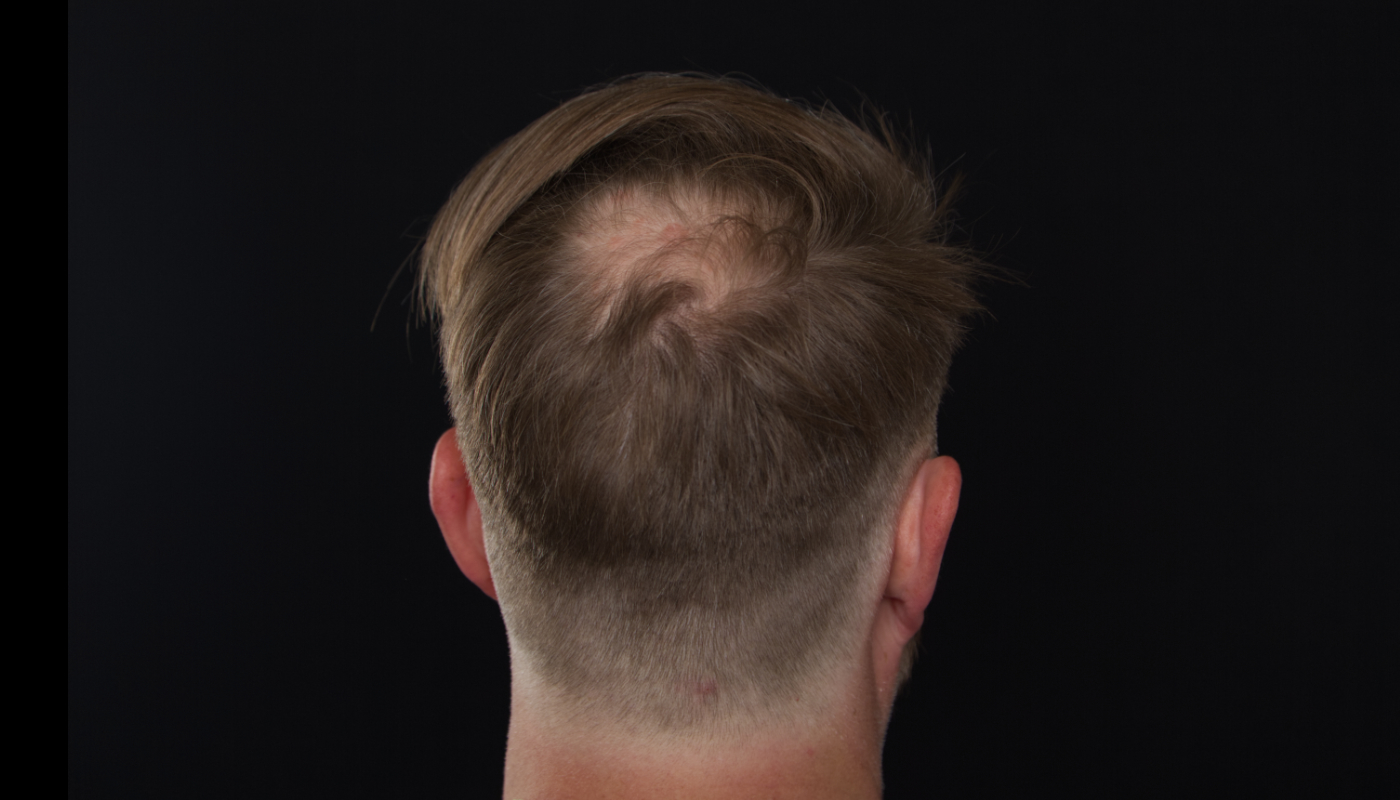
Every photograph below is a Mountain Man patient, shot from the same angle before and after, under the same lighting, with no filters and no styling tricks. Two of those patients sat down on camera afterwards and said what the year was actually like, including the part where one of them tells you to take more time off work than our own page used to suggest.

Further down there is a section on how to judge anyone's before and after photos, including ours.

The gallery

Four patients, before and after

Each pair is one patient, photographed before the procedure and again once growth was complete. Final density lands between twelve and eighteen months, so every "after" here is at least a year on from the day of surgery. Where the hair is a different length between the two shots, it says so, because that is one of the things the section below tells you to watch for.

Results vary between patients. How much coverage a case can produce depends on the donor area available, the size of the area being treated and how far the pattern has progressed, and none of that is the same from one man to the next. Dr. John has had the procedure twice himself and his own photographs are on his page.

In their words

Two patients, a year on

Both filmed in the clinic, both a year or more after their procedure. The quotes are theirs.

Igor, a Mountain Man patient, talking about his hair transplant a year afterwards
Igor · 2 min 29 sec

Igor, about a year and a half on

I just waited too long. That is honestly the biggest regret I currently have.
Igor · 2,500 grafts
On recovery

"The recovery was about seven days, so I would definitely take some time off if you are planning on doing this. But nothing that you cannot handle."

More cautious than our own pages used to be.
On going overseas

"It doesn't look like their hairline."

He raised this himself. He knows several men who went abroad for larger cases.
  • Grafts2,500
  • Time in the chairAbout 8 hours
  • Time off work he recommends7 days
Dale, a Mountain Man patient, talking about his two hair transplant sessions
Dale · 1 min 3 sec

Dale, after two sessions a year apart

My wife keeps on complimenting me every day.
Dale · two sessions, a year apart
On what changed

"I don't wear hats anymore."

Asked what was different, this was the first thing he said, before anything about the mirror.
Why two sessions

A normal plan for a larger area: build the framework, let it grow in, then add density where it is still thin.

Dale's is the case to look at if you are wondering whether one procedure is always the end of it.
  • SessionsTwo, a year apart
  • His advice"If you can do it, do it"
Read the photos properly

How to tell an honest before and after from a flattering one

Before and after photographs are the easiest thing in this industry to manipulate, and almost none of it requires editing software. Here is what to check, on our photos and on anyone else's.

Is the lighting the same?

Thinning hair looks dramatically worse under a light directly overhead, because the scalp catches it and the hair does not. Shoot the "before" under a downlight and the "after" in soft front light and you have a visible improvement without touching a single follicle.

Is the head at the same angle?

Tilting the chin down exposes the crown; lifting it hides the crown entirely. A "before" shot looking down and an "after" shot looking level are not a comparison, they are two different photographs.

Is the hair the same length and dry in both?

Wet hair clumps and shows scalp. Dry, longer, styled hair covers it. If the before is wet and cropped and the after is dry and grown out, most of what you are looking at is a haircut.

How long after is the "after"?

Final density lands between twelve and eighteen months. A result photographed at six months is real but incomplete, and one photographed at three weeks is nothing at all, because the transplanted hair sheds between weeks two and six before it regrows.

The hair transplant guide covers the growth timeline month by month, including the shedding phase that makes early photographs meaningless.

Straight answers

Questions about results

How long until a hair transplant looks like the after photos?

New growth generally starts between months three and six, most of the visible result arrives between months six and ten, and final density lands between twelve and eighteen months. Crown work typically fills in later than hairline work. Every "after" photograph on this page is at least a year on from the procedure.

Will my results look like these?

Not necessarily. How much coverage a case can produce depends on the donor area you have available, the size of the area being treated and how far your pattern has progressed. Those differ from one man to the next, which is why a graft estimate only means anything after someone has looked at your scalp.

Do some patients need more than one session?

Yes. Dale, on this page, had two sessions about twelve months apart. For a larger area that is a normal plan rather than a sign something went wrong: build the framework first, let it grow in, then add density where it is still thin once you can see the result.

How much time off work should I take?

Igor, on this page, took about seven days and recommends planning for that. Scabbing clears over the first week to ten days and swelling peaks around day three, so the first week is the awkward one. Dr. John's own recovery had him back at work inside a week with no issues, so it varies.

How many grafts were these cases?

Igor's was 2,500, which falls in the Large package. Case size is set by the area being covered: hairline or crown work tends to be 1,000 to 1,500 grafts, a receding frontal zone 1,500 to 2,100, and an extensive pattern 2,100 to 3,500. Pricing is here.

Can people tell I have had a hair transplant?

The giveaways in older work were multi-hair clumps at the hairline with visible gaps between them, which came from the punch grafting used in the 1950s. Modern FUE moves natural units of one to four hairs and puts single-hair units at the front, where a real hairline is soft and irregular. Igor's experience was that people who had not seen him in a while asked what had changed without being able to say what it was.

Are these photos edited?

No, there are no filters and no retouching. They are not all perfect comparisons either: in the first pair the hair is grown out considerably longer in the "after" than in the "before", and length flatters a result on its own. The section above tells you how to check for exactly that, on these photographs and on anyone else's, because the usual ways of flattering a result are angle, lighting and hair length rather than editing.

Is a hair transplant permanent?

Yes. The follicles come from the back and sides of the scalp, which are genetically insensitive to DHT, and they keep that resistance once moved. What a transplant does not do is stop hereditary loss continuing in the hair that was not transplanted, which is why the plan accounts for where your pattern is heading.

See what your own case would involve

A free virtual consult with Dr. John McRae. You get a graft estimate, your full price before you commit, and a straight answer if a transplant is not the right step for you.

5012 W Emerald St, Boise, ID 83706, USA